
Blog Details
Diskava. Beta. Kava
01Aug
Motor Vehicle Valuation in Kenya | Insurance and Market Value Guide
Learn why motor vehicle valuation is important in Kenya, how valuers determine a vehicle’s market value, documents required, inspection process and how valuation affects insurance claims, financing, buying and selling.
What Is Motor Vehicle Valuation?
Motor vehicle valuation is the professional process of determining the reasonable monetary value of a vehicle at a particular time.
The valuer examines the vehicle, verifies its identity and assesses factors such as:
- Make and model
- Year of manufacture
- Mileage
- Mechanical condition
- Body condition
- Accident history
- Ownership documents
- Accessories and modifications
- Current market prices
- Availability of spare parts
- Demand for that vehicle model
The result is documented in a motor vehicle valuation report.
A valuation is commonly requested when a vehicle owner wants to:
- Buy comprehensive motor insurance
- Renew an existing motor policy
- Finance or refinance a vehicle
- Buy or sell a vehicle
- Transfer ownership
- Establish a company asset value
- Resolve a dispute
- Support legal or succession proceedings
- Determine pre-accident value after a claim
- Confirm the condition of a used vehicle
MyAsset Auto Valuers and Assessors Limited describes its service as independent vehicle valuation for purposes including insurance, financing and other ownership decisions. (MyAsset Auto Valuers)
A vehicle valuation does more than put a price on a car. It verifies the vehicle, records its condition and helps reduce disputes when insurance or financing is required.
Why Is Vehicle Valuation Important for Motor Insurance?
Comprehensive motor insurance protects the insured vehicle against risks such as accidental damage, theft and fire, subject to the policy’s terms.
To calculate the premium and determine an appropriate sum insured, the insurer needs a realistic value for the vehicle.
Without a proper valuation, the vehicle may be:
- Underinsured
- Overinsured
- Insured using outdated information
- Recorded under the wrong model or year
- Insured despite significant pre-existing damage
- Listed with incorrect chassis or engine details
A professional valuation helps the insurer and policyholder agree on a reasonable starting value.
The valuation helps confirm:
- The vehicle exists
- The registration and chassis details are correct
- Its physical condition
- Its current estimated market value
- Installed accessories
- Pre-existing damage
- Whether the declared information matches the vehicle
The Insurance Regulatory Authority regulates and supervises Kenya’s insurance industry, including motor insurance providers and insurance service providers. (Insurance Regulatory Authority)
Is Motor Vehicle Valuation Compulsory for Insurance?
A valuation is not required for every motor policy.
It is most commonly requested for:
- Comprehensive motor insurance
- High-value vehicles
- Imported vehicles
- Older vehicles
- Vehicles changing insurers
- Vehicles whose declared values appear unusual
- Vehicles with modifications or specialised equipment
- Vehicles returning to comprehensive cover after a lapse
Third-Party Only Insurance usually does not require a full market-value valuation because it does not normally cover accidental damage to the insured vehicle.
However, the insurer may still require an inspection or identity verification in certain circumstances.
Each insurer has its own underwriting requirements. A vehicle that one insurer accepts without valuation may require inspection or valuation under another insurer.
What Is the Difference Between Valuation and Inspection?
Although the terms are sometimes used interchangeably, they are not exactly the same.
Vehicle inspection
An inspection mainly confirms:
- Vehicle identity
- Physical condition
- Existing damage
- Accessories
- Roadworthiness indicators
- Photographic evidence
Vehicle valuation
A valuation goes further by estimating the vehicle’s monetary worth using its condition and current market information.
A valuation report may include both an inspection and a value recommendation.
Mechanical inspection
A mechanical inspection focuses on the working condition of systems such as:
- Engine
- Gearbox
- Suspension
- Brakes
- Steering
- Electronics
- Cooling system
A standard insurance valuation may not be a complete mechanical diagnostic examination.
Anyone buying a used vehicle should confirm whether they need:
- Market valuation
- Mechanical inspection
- Accident-damage assessment
- Ownership search
- All of the above
When Should You Get Your Vehicle Valued?
1. Before Buying Comprehensive Insurance
A valuation helps establish the value to be placed on the insurance schedule.
This reduces the likelihood of declaring a figure based only on:
- The seller’s asking price
- An old purchase receipt
- An online advertisement
- Personal estimation
- A previous year’s value
2. When Renewing Motor Insurance
Vehicle values change over time.
A vehicle may depreciate because of:
- Age
- Mileage
- Wear
- Model changes
- Market supply
- Mechanical condition
However, some vehicles may retain value strongly because of:
- High market demand
- Limited availability
- Exchange-rate movements
- Increased importation costs
- Strong resale reputation
A renewal value should therefore not be reduced automatically without reviewing the market.
3. Before Buying a Used Vehicle
A valuation can help a buyer determine whether the asking price is reasonable.
It can also reveal:
- Undisclosed accident damage
- Poor repairs
- Missing accessories
- Inconsistent identification details
- Abnormal wear
- Signs that the vehicle may require additional investigation
A valuation does not replace a full mechanical inspection or official ownership verification.
4. Before Selling a Vehicle
A seller can use an independent valuation to:
- Set a realistic asking price
- Support negotiations
- Provide confidence to potential buyers
- Avoid pricing the car too low
- Avoid an unrealistic asking price
5. When Applying for Asset Finance
Banks, SACCOs and other financiers may require an independent valuation before accepting a vehicle as:
- The financed asset
- Loan security
- Collateral
- A trade-in asset
The financier may specify which valuers it accepts.
6. After Major Repairs or Modifications
A new valuation may be necessary after:
- Engine replacement
- Major body repairs
- Installation of specialised equipment
- Conversion of vehicle use
- Addition of expensive accessories
- Restoration of a classic vehicle
- Structural modification
Notify the insurer before making material changes.
7. When Ownership Changes
A new owner may need a fresh valuation because:
- The insured name changes
- The vehicle’s use may change
- The purchase price may differ from the previous value
- The new insurer needs current photographs and condition records
How Is a Vehicle Valued in Kenya?
A professional valuer generally considers several factors rather than relying on one price source.
Make, model and variant
Different variants of the same model can have different values.
Differences may include:
- Engine size
- Fuel type
- Transmission
- Trim level
- Two-wheel drive or four-wheel drive
- Safety equipment
- Luxury features
- Seating capacity
Year of manufacture
Newer vehicles generally attract higher values, although condition and demand can sometimes be more important than age alone.
The year of manufacture should not be confused with:
- Year of first registration
- Year of importation
- Model year
Mileage
Mileage provides an indication of vehicle use.
A low-mileage vehicle may be worth more where the mileage is genuine and the condition supports it.
The valuer may compare the odometer reading with:
- Service records
- Interior wear
- Steering-wheel wear
- Pedal wear
- Previous inspection records
Physical condition
The valuer examines:
- Body panels
- Paintwork
- Glass
- Lights
- Tyres
- Interior
- Dashboard
- Seats
- Trim
- Visible mechanical condition
Accident and repair history
Previous accident damage can affect value, particularly where repairs involved:
- Chassis or structural sections
- Airbags
- Suspension mounting points
- Major body panels
- Poor welding
- Inconsistent paintwork
A well-repaired minor accident may have less impact than major structural damage.
Service and maintenance history
A properly maintained vehicle may command a stronger value than a similar vehicle with no service records.
Useful evidence includes:
- Service book
- Dealer records
- Maintenance invoices
- Parts receipts
- Inspection history
Market demand
Popular and reliable models may retain stronger resale values because buyers can easily find:
- Spare parts
- Mechanics
- Accessories
- Resale demand
Vehicles with limited local support may attract lower values even when they were expensive when new.
Accessories
Declared accessories may include:
- Entertainment system
- Bull bar
- Roof rack
- Canopy
- Tracking system
- Specialised body
- Refrigeration unit
- Commercial equipment
- Custom wheels
An accessory should not automatically be included at its original purchase cost. Its age, condition and market contribution must be considered.
What Documents Are Required for Vehicle Valuation?
Requirements vary, but a valuer may request:
- Copy of the logbook
- National ID or passport
- KRA PIN
- Vehicle registration details
- Import documents where relevant
- Purchase invoice
- Previous valuation report
- Service history
- Finance documents where applicable
- Details of installed accessories
- Letter of authority for company-owned vehicles
The vehicle should be physically available for inspection unless the valuer has approved another arrangement.
The vehicle owner should ensure that:
- Chassis number is visible
- Engine number can be confirmed where required
- Registration plates are fitted correctly
- Vehicle is reasonably clean
- All keys are available
- Accessories can be inspected
What Is Included in a Vehicle Valuation Report?
A professional valuation report may include:
- Owner or requesting party
- Vehicle registration number
- Make and model
- Body type
- Year of manufacture
- Engine capacity
- Fuel type
- Transmission
- Chassis number
- Engine number
- Colour
- Mileage
- General condition
- Existing damage
- Accessories
- Photographs
- Recommended market value
- Forced-sale value where requested
- Valuer’s name and signature
- Date of inspection
- Report validity period
The exact format depends on the valuation purpose.
Market Value vs Forced-Sale Value
These values should not be confused.
Market value
Market value is the estimated price the vehicle could reasonably obtain in an ordinary sale between a willing buyer and willing seller.
Forced-sale value
Forced-sale value is the estimated amount the vehicle may realise where it must be sold quickly, often under limited marketing time.
The forced-sale value is generally lower than the open-market value.
Financiers may consider both figures when deciding how much credit to offer.
Insurance value
The insurance value is the amount accepted by the insurer as the sum insured, usually guided by the current market value and underwriting requirements.
It may not always match:
- Purchase price
- Dealer asking price
- Loan balance
- Forced-sale value
- Owner’s preferred value
Purchase Price vs Current Market Value
A vehicle’s purchase price does not remain its insurance value permanently.
For example, a car purchased for KSh 3 million several years ago may currently be worth:
- Less because of age and mileage
- More than expected because of exchange-rate changes
- Less because of poor condition
- More because the model is scarce and in demand
Insurance should use a current and supportable value rather than an outdated receipt alone.
What Is Underinsurance?
Underinsurance occurs when a vehicle is insured for less than its reasonable value.
Suppose a vehicle is worth KSh 4 million but is insured for KSh 2.5 million.
If the policy contains an average condition, a partial claim may be reduced proportionately.
The owner may also receive an inadequate amount after a total loss.
Underinsurance can happen when the owner:
- Chooses a lower value to reduce the premium
- Uses an outdated valuation
- Fails to declare accessories
- Does not consider current replacement costs
- Reduces the value too aggressively at renewal
A lower declared value may reduce the premium slightly but create a much larger financial loss during a claim.
What Is Overinsurance?
Overinsurance occurs when the declared vehicle value is higher than its reasonable market value.
For example, insuring a vehicle worth KSh 2 million for KSh 3 million does not ordinarily mean the insurer will automatically pay KSh 3 million after a total loss.
The insurer may settle based on:
- Pre-accident market value
- Policy terms
- Valuation evidence
- Sum insured
- Applicable excess
- Salvage
- Financier’s interest
Overinsurance may result in paying unnecessary premium without receiving a larger claim settlement.
How Valuation Affects Comprehensive Motor Premiums
Comprehensive motor premiums are commonly calculated as a percentage of the vehicle’s insured value, subject to:
- Minimum premium
- Vehicle class
- Claims history
- Vehicle age
- Use
- Insurer’s rate
- Selected extensions
A higher value may produce a higher base premium.
However, the value should not be manipulated simply to obtain a lower quotation.
A fair quotation comparison should use the same vehicle value across insurers.
How Valuation Affects a Total-Loss Claim
A vehicle may be declared a total loss where:
- It is damaged beyond economical repair
- Repair is unsafe or impractical
- Repair cost is too high compared with vehicle value
- The vehicle is stolen and not recovered
The insurer may consider:
- Pre-accident market value
- Policy sum insured
- Latest valuation
- Vehicle condition
- Mileage
- Existing damage
- Underinsurance
- Excess
- Salvage
- Outstanding premium
- Financier’s interest
The value printed on the schedule is not always an automatic guaranteed payment.
A current professional valuation provides evidence that can help reduce disagreement.
Can an Insurer Reject Your Valuation?
An insurer may question or reject a valuation where:
- The valuer is not approved
- The report is outdated
- Vehicle details are incorrect
- The stated value appears unrealistic
- Photographs do not match the vehicle
- The inspection was incomplete
- The vehicle’s condition changed
- The report was prepared for a different purpose
Always confirm whether the insurer or financier has a list of approved valuers before arranging the inspection.
How Long Is a Vehicle Valuation Valid?
There is no universal validity period for every insurer or financier.
A report may be accepted for:
- A few weeks
- Several months
- One policy period
Acceptance depends on:
- Insurer
- Financier
- Vehicle type
- Age of the report
- Changes in condition
- Market movement
- Purpose of valuation
A new inspection may be required where:
- The policy lapsed
- The vehicle was involved in an accident
- Ownership changed
- The value changed significantly
- The car was modified
- The previous report is too old
Can a Valuer Come to Your Home or Office?
Some valuation companies provide mobile valuation services where a valuer inspects the vehicle at:
- Home
- Office
- Car yard
- Garage
- Business premises
- Another agreed location
Availability may depend on:
- Location
- Vehicle type
- Number of vehicles
- Inspection purpose
- Appointment schedule
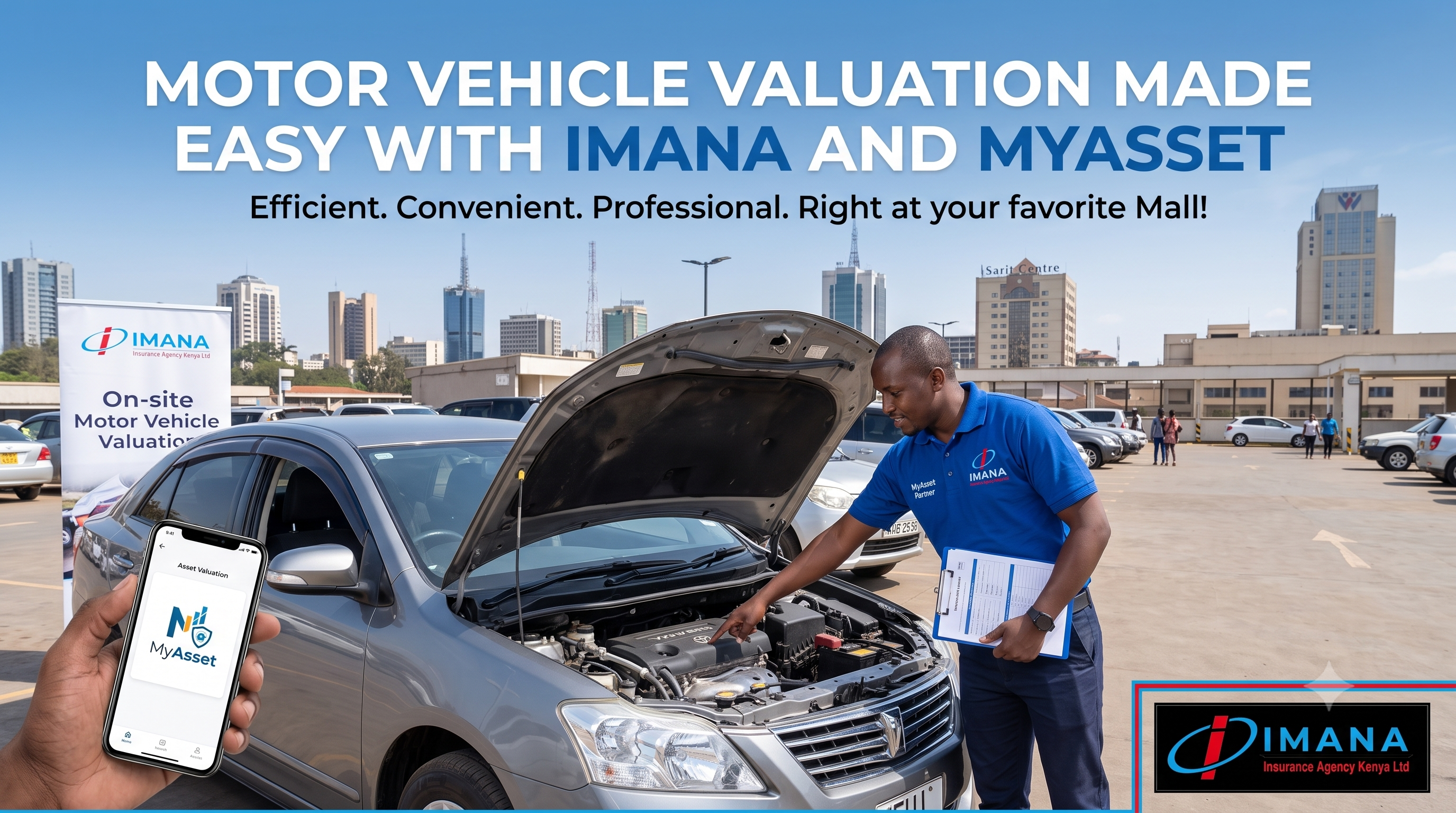
MyAsset promotes convenient motor valuation and assessment services for vehicle owners and businesses. Its published information identifies experience in automotive engineering, motor vehicle valuation and accident assessment. (MyAsset Auto Valuers)
Valuation for Company Fleets
Businesses operating multiple vehicles may require fleet valuation for:
- Insurance renewal
- Asset-register updates
- Financing
- Disposal
- Acquisition
- Accounting
- Risk management
A fleet valuation schedule should include:
- Registration number
- Make and model
- Year
- Department
- Vehicle use
- Mileage
- Condition
- Market value
- Existing damage
- Recommended action
Fleet managers should review valuations regularly because some vehicles may be:
- Overinsured
- Underinsured
- No longer operational
- Assigned to the wrong insurance class
- Missing from the policy
- Sold but still listed
Valuation for Commercial and Specialised Vehicles
Commercial vehicles may require additional valuation considerations.
These include:
- Trucks
- Prime movers
- Trailers
- Tankers
- PSV taxis
- Matatus
- Buses
- School buses
- Tour vans
- Motorcycles
- Tractors
- Refrigerated vehicles
- Construction equipment
The valuer may need to assess:
- Chassis
- Cab
- Trailer
- Body fabrication
- Tank
- Refrigeration equipment
- Passenger fittings
- Hydraulic equipment
- Specialised accessories
The commercial body or equipment should be declared separately where necessary.
Motor Vehicle Valuation for Imported Vehicles
Imported vehicles may be valued using:
- Import documentation
- Local market comparisons
- Year of manufacture
- Vehicle grade
- Mileage
- Duty status
- Condition
- Local availability
Duty-free vehicles owned by diplomats or qualifying organisations should be disclosed as duty-free.
The insurer needs to understand whether the value reflects:
- Duty-paid market value
- Duty-free value
- Replacement cost under the applicable status
- Any ownership restrictions
Valuation for Electric and Hybrid Vehicles
Electric and hybrid vehicles may require specialised assessment because a significant portion of their value may be connected to:
- High-voltage battery
- Electric motors
- Charging equipment
- Power-control systems
- Electronic safety systems
A valuer may consider:
- Battery condition
- Battery warranty
- Diagnostic history
- Charging system
- Availability of parts
- Specialist repair capacity
- Market demand
A standard visual inspection may not establish the complete health of a high-voltage battery. A specialist diagnostic test may be required.
Common Vehicle-Valuation Mistakes
Using an online advert as the only evidence
An advertised price is not necessarily the final selling price or accurate market value.
Choosing a value only to reduce premium
Artificially lowering the value can create underinsurance.
Failing to disclose accident repairs
Previous damage can affect both valuation and insurance acceptance.
Using an expired report
The insurer or financier may require a current inspection.
Valuing only the vehicle and forgetting accessories
Expensive equipment should be declared.
Confusing loan balance with vehicle value
The amount owed to the bank may be higher or lower than the vehicle’s market value.
Relying on the seller’s valuation
A buyer should consider an independent inspection and valuation.
Failing to verify vehicle identity
Chassis and registration details must match the records.
How to Prepare Your Vehicle for Valuation
Before the appointment:
- Clean the vehicle sufficiently for inspection.
- Carry the logbook or copy.
- Make the chassis number accessible.
- Bring all keys.
- Provide service records.
- Declare previous accidents.
- List major accessories.
- Confirm the vehicle’s actual use.
- Ensure the vehicle can be started and moved safely.
- Explain any warning lights or defects honestly.
Do not temporarily conceal damage to influence the value.
How Much Does Vehicle Valuation Cost in Kenya?
There is no universal valuation fee.
The cost may depend on:
- Vehicle type
- Location
- Purpose of valuation
- Mobile or station inspection
- Number of vehicles
- Complexity
- Urgency
- Additional mechanical inspection
- Report format
A standard private-car valuation may cost less than:
- Heavy commercial valuation
- Fleet valuation
- Specialised machinery valuation
- Accident-damage assessment
- Detailed mechanical inspection
Request a current quotation before booking.
How Long Does Vehicle Valuation Take?
A straightforward private-vehicle inspection may be completed relatively quickly.
The final report may take longer where the valuer needs to:
- Research a rare model
- Verify documents
- Assess specialised equipment
- Inspect mechanical condition
- Compare market evidence
- Review accident repairs
- Prepare a fleet schedule
Providing complete documents helps reduce delays.
Motor Vehicle Valuation vs Accident Assessment
These services serve different purposes.
Valuation
Determines the vehicle’s estimated value before a sale, financing decision or insurance transaction.
Accident assessment
Determines:
- Accident damage
- Repair method
- Spare parts required
- Labour cost
- Repair feasibility
- Pre-accident value
- Whether the vehicle is economical to repair
- Possible salvage value
MyAsset’s published profile identifies both vehicle valuation and accident assessment among its areas of service and expertise. (MyAsset Auto Valuers)
Why Independent Valuation Matters
An independent valuation can create a more objective basis for decisions involving:
- Buyer and seller
- Policyholder and insurer
- Borrower and financier
- Company and auditor
- Estate and beneficiaries
- Vehicle owner and repairer
The valuer should provide an evidence-based opinion rather than simply confirming the amount requested by the owner.
How MyAsset Auto Valuers Can Help
MyAsset Auto Valuers and Assessors Limited provides motor vehicle valuation and assessment services for individuals, companies, insurers, financiers and other vehicle owners.
Services may include:
- Private motor vehicle valuation
- Commercial vehicle valuation
- Insurance valuation
- Pre-purchase valuation
- Fleet valuation
- Accident assessment
- Vehicle-condition inspection
- Valuation for financing
- Valuation for sale or disposal
For current auto valuation information, visit:
MyAsset’s official website presents the company as a provider of motor vehicle valuation and assessment services supported by experience in automotive engineering and accident assessment. (MyAsset Auto Valuers)
How Imana Uses Vehicle Valuation When Arranging Motor Insurance
Imana Insurance Agency Kenya Ltd helps customers arrange appropriate motor insurance using accurate vehicle details and realistic values.
The process may include:
- Reviewing the vehicle documents.
- Confirming the intended use.
- Requesting a valuation where required.
- Comparing comprehensive quotations using the same value.
- Reviewing excesses and extensions.
- Coordinating pre-insurance inspection.
- Confirming policy issuance.
- Supporting renewals and claims notification.
Available motor insurance options include:
- Comprehensive Motor Insurance
- Third-Party Only Insurance
- Commercial Motor Insurance
- PSV Insurance
- Motorcycle Insurance
- School Bus Insurance
- Tour Vehicle Insurance
- Heavy Commercial Insurance
- Fleet Insurance
Motor Insurance and Auto Valuation Contacts
Imana Insurance Agency Kenya Ltd
Office:
4th Floor, Krishna Centre
Woodvale Grove, Westlands, Nairobi
Website: www.imana.co.ke
Motor quotation: www.imana.co.ke/motor-quote
Call or WhatsApp: +254 796 209 402
MyAsset Auto Valuers and Assessors Limited
Auto valuation reference: https://myasset.co.ke
Value accurately. Insure correctly. Avoid claim disputes.
Frequently Asked Questions
What is motor vehicle valuation?
It is a professional assessment used to estimate the reasonable monetary value of a vehicle at a specific time.
Why does an insurance company need a valuation?
It helps confirm the vehicle’s identity, condition, existing damage and reasonable value before comprehensive cover is issued.
Is valuation required for Third-Party Insurance?
Usually not, because Third-Party Only Insurance does not ordinarily cover damage to the insured vehicle. An insurer may still request verification in certain cases.
Does the valuation determine exactly what the insurer will pay after a claim?
No. A claim settlement also depends on the policy wording, pre-accident market value, excess, underinsurance, salvage and other applicable terms.
Can I choose any valuer?
Confirm whether the insurer, bank or financier requires an approved valuer.
How often should I value my vehicle?
Review the value at renewal and after major changes, accidents, modifications or significant market movements.
Is the purchase price the same as the insurance value?
Not necessarily. The current market value may be higher or lower than the amount originally paid.
What is forced-sale value?
It is the estimated amount a vehicle may realise when it must be sold quickly under restricted marketing conditions.
Can a valuer inspect my vehicle at home or work?
Mobile valuation may be available depending on the valuer, location and type of vehicle.
Does a valuation include a full mechanical inspection?
Not always. Confirm whether the service includes mechanical diagnostics or only inspection and market valuation.
Can MyAsset value commercial vehicles and fleets?
MyAsset advertises vehicle valuation and assessment services for different valuation requirements. Confirm the precise scope and booking arrangements directly through https://myasset.co.ke. (MyAsset Auto Valuers)
Can Imana arrange insurance after valuation?
Yes. Imana can use the accepted valuation to help compare comprehensive motor insurance quotations from suitable insurers.
The Bottom Line
Motor vehicle valuation is important when:
- Buying comprehensive insurance
- Financing a vehicle
- Purchasing a used car
- Selling a vehicle
- Updating a company asset register
- Reviewing a fleet
- Handling an accident or total-loss claim
A professional valuation helps establish a realistic value and records the vehicle’s condition before a dispute arises.
Before arranging valuation:
- Prepare the vehicle documents.
- Confirm the purpose of the report.
- Use a recognised valuer.
- Disclose previous damage.
- Declare accessories.
- Confirm whether mechanical inspection is included.
- Review the final report carefully.
Do not guess your vehicle’s value. An incorrect value can increase your premium, reduce a claim or weaken your negotiating position.
For vehicle valuation and assessment information, visit https://myasset.co.ke.
For motor insurance quotation comparison, contact:
Imana Insurance Agency Kenya Ltd
Call or WhatsApp: +254 796 209 402
Website: www.imana.co.ke
Value it correctly. Insure it appropriately. Protect what it is truly worth.
Vehicle values, valuation fees, report validity periods and insurer requirements vary according to the vehicle, valuer, financier and insurance company. This article provides general information and does not replace a professional valuation report, mechanical inspection, insurer’s quotation or complete policy wording.